
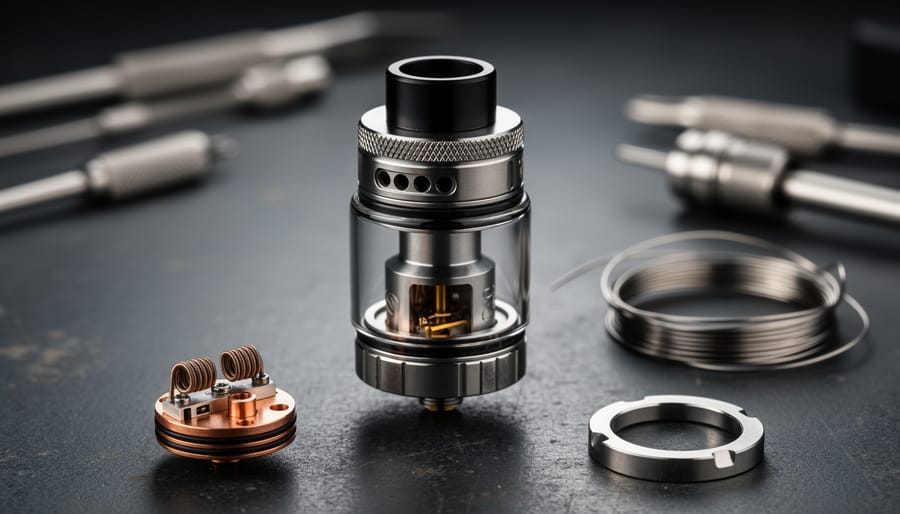
No, RTAs aren’t FDA approved. The FDA doesn’t sign off on rebuildable tank atomizers the way it would a medication. In the US, vapor products fall under its tobacco regulatory framework, which means rules around who can sell them, who can buy them, and what manufacturers may market. Requirements and enforcement have changed over time and vary by product type, so check the FDA’s own website for the current status before you buy, and don’t treat any seller’s “FDA compliant” label as the final word.
That regulatory question is the first thing most readers want settled, and the second is practical: which RTA is actually worth your money? Quality varies a lot, and without an approval stamp to lean on, you need your own checklist. Coil style, airflow, fill system, and how forgiving the deck is to build on matter far more than any badge.
This guide covers seven RTA design types, from single-coil flavor builders and dual-coil cloud makers to squonk-compatible, mesh, adjustable-airflow, leak-resistant, and beginner-friendly options. We compare them by what they do well and where they frustrate, without playing favorites with brands.
Already running one of these? Tell us in the comments what you’d recommend, and what you’d never buy again. Real experience from this community beats any spec sheet.
How This List Was Chosen: Design Types, Not Hype
Rather than ranking brands or pushing specific current models, this list looks at RTA design types and standout features. We picked them based on how widely vapers discussed and used them around 2022, and how much they still matter today. Think of it as a guide to what to look for, not a shopping chart.
We don’t cite prices, ratings, or availability, because we can’t verify any of them right now. Those details change often, so check current listings from retailers you trust before you buy.
To keep things fair and easy to compare, every item in this list gets looked at through the same four lenses:
- Price considerations: the general cost tier a design type tends to fall into, never exact figures.
- Features: what the design does well, from airflow to deck layout.
- Compatibility: coil and drip tip standards, plus the threading your mod needs.
- Setup and build difficulty: how forgiving it is for a first-timer versus an experienced builder.
We stay brand-neutral throughout. Our aim is to help you understand what a design offers so you can judge any tank on its merits, whatever name is printed on the side.
This is also a community effort. If you’ve spent time with one of these styles, your real-world experience adds something a feature list can’t. Share what worked, what leaked, and what you’d do differently in the comments, so newer vapers can learn from it.

What ‘RTA FDA’ Actually Means for Vapers
If you’ve searched “RTA FDA,” you’re probably wondering whether the FDA has signed off on rebuildable tank atomizers. The short version: it doesn’t work that way. The FDA doesn’t give individual RTAs a stamp of approval the way it does with medications. Under its tobacco regulations, an RTA is generally treated as a component or part of an e-cigarette system, not a standalone “approved” product.
That distinction matters because the rules around these parts aren’t static. Requirements, enforcement priorities, and the way regulators treat components have shifted over the years and may shift again. Nothing in this article tells you that any particular tank, coil, or device is authorized, and you should be wary of any seller who claims otherwise without proof you can check yourself.
So where do you get reliable answers? Start at, where the agency posts its current guidance on tobacco and vaping products. Then check the laws where you live, since states, provinces, and cities often add their own rules on top of federal ones. Product categories matter too. If you’re curious about hemp-derived CBD vaping for example, the rules can look quite different from those covering nicotine products, so don’t assume one set of rules covers both.
One reminder for U.S. readers: the federal minimum age to buy tobacco and vaping products is 21, but confirm that against current law, because details can change.
Have you run into confusing labeling or seller claims when shopping for tanks? Share what you’ve seen in the comments so other vapers know what to watch for.
1. Single-Coil Flavor RTAs: The Classic Starting Point
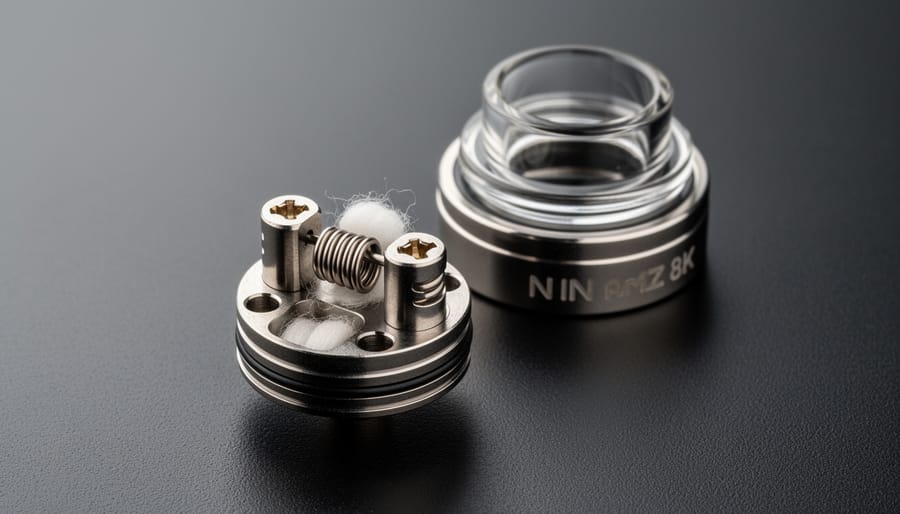
Single-coil RTAs are the classic starting point for good reason. They use a small build deck with one coil, usually paired with modest airflow, which concentrates heat and vapor in a tight space. The payoff is flavor, since less surface area means your e-liquid’s character comes through clearly without getting diluted by a big rush of air.
These tanks suit new builders and mouth-to-lung fans best. If you’re learning to wrap a coil, wick it, and trim leads for the first time, a single-coil deck is forgiving. There’s one coil to seat, one set of posts to tighten, and fewer places for a mistake to hide. They also tend to use less e-liquid than larger builds, so your bottle lasts longer and refills come less often.
The trade-off is cloud size. Because there’s only one coil heating the liquid, you won’t get the dense, warm plumes a dual-coil deck can produce. If big vapor is your main goal, this style may feel restrained. If flavor and efficiency matter more, that’s often a feature, not a flaw.
On compatibility, most RTAs use standard 510 threading, so they fit a wide range of mods. Still, check that the tank’s diameter and the mod’s top plate line up cleanly before you buy. For setup, expect to install the coil, wick it, prime it with liquid, and confirm your coil resistance on an ohm reader before firing. Always follow the maker’s battery guidance.
How did your first single-coil build go? Share your tips in the comments.
2. Dual-Coil RTAs: Bigger Clouds and Warmer Vapor
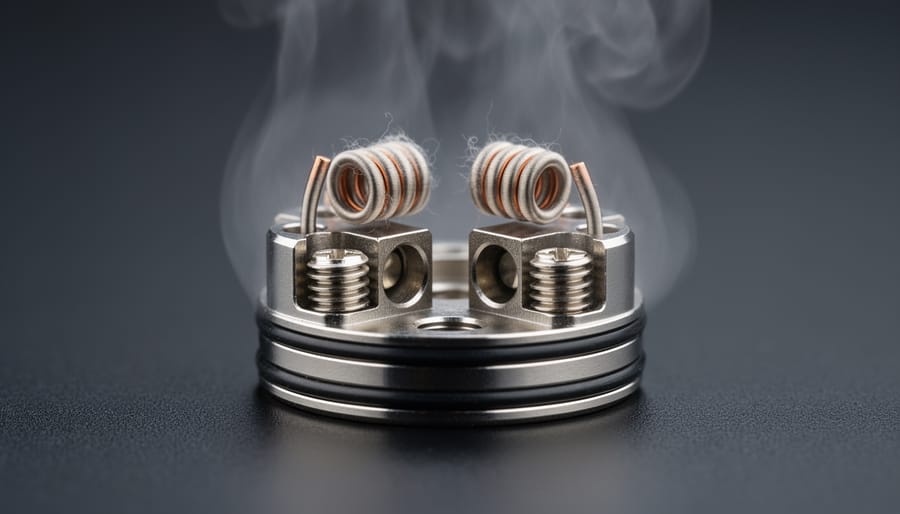
Dual-coil decks put two coils side by side, which roughly doubles the heating surface compared with a single coil. More surface area means more e-liquid vaporized per puff, so you get denser clouds and a warmer, fuller hit. If you’ve ever wished your flavor tank put out a bit more oomph, this is the design that usually answers that.
The trade-off is build complexity. You’re installing two coils instead of one, and they need to match closely in resistance and placement so they heat evenly. Uneven coils can cause hot spots, dry hits, or inconsistent flavor. Take your time with it, check your resistance on a meter or your mod before firing, and trim your leads cleanly.
Battery and wattage matter more here. Two coils wired in parallel typically lower the total resistance, which can draw more current from your battery. Always work out your build’s resistance first, and make sure your battery and mod can safely handle it. Follow the manufacturer’s guidance for your specific gear, and brush up on basic Ohm’s law before building.
Expect to use more e-liquid, too. Bigger clouds come from vaporizing more juice, so you’ll refill more often than with a single-coil setup.
Dual-coil RTAs suit vapers who want warmth and volume and are comfortable with a gentler learning curve. If you’re brand new to building, a single-coil deck is easier to get right first. Have you made the jump to dual coils? Tell us how it went in the comments.
3. Squonk-Compatible RTAs: Bottom-Feed Convenience
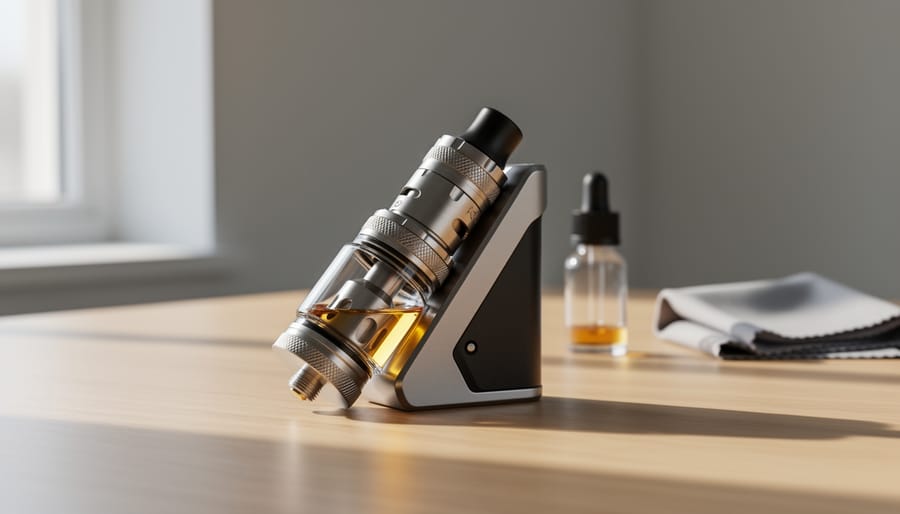
Squonk-compatible RTAs are built for bottom-feeding, and they suit anyone who hates stopping to refill a tank. Instead of filling a reservoir on the tank itself, you load e-liquid into a soft squeeze bottle that lives inside a squonk mod. A hollow, hollow-bored pin runs from the mod’s base up through the tank’s 510 connection. When you press the bottle, juice travels through that pin and into the build deck to wet your cotton.
The big appeal is fewer refills. A bottle usually holds more than a standard tank, so you can vape longer between top-offs, and many people like that the system feels a bit less fussy day to day.
Compatibility is where you need to pay attention. The tank has to be designed for bottom-feed use, and its pin has to match your mod. Mixing a squonk tank with a non-squonk mod, or the reverse, can cause poor wicking or leaks. Check that the pin height and the 510 connection line up before you buy.
Setup takes a few extra steps. You’ll fill the bottle, seat it correctly, and give the cotton a moment to saturate after your first squeezes. Go easy at first, since over-squeezing is a common cause of flooding. Do you squonk or stick with top-fill? Tell us in the comments.
4. Mesh-Coil RTAs: Consistent Flavor and Fast Ramp-Up
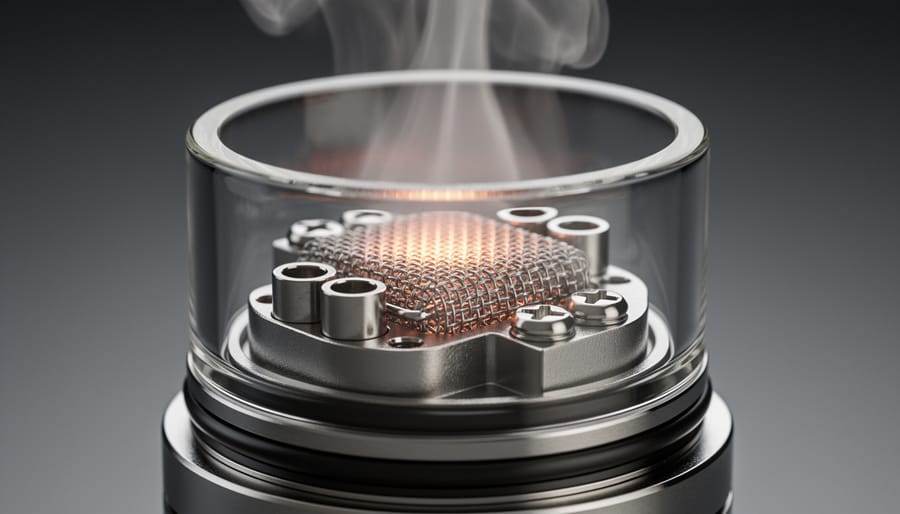
Mesh-style RTAs swap the usual round wire for a flat strip of woven metal mesh. Because the strip spreads heat across a much larger surface, the liquid vaporizes more evenly, which is why fans talk about consistent flavor and a quick ramp-up. You press the button and the coil is ready almost immediately, without the slow warm-up some round-wire builds need.
Compared with a round-wire build, a mesh build behaves differently in a few ways. The coil is wide and flat rather than wrapped, so the airflow path and the wicking approach change too. Many vapers find the flavor smoother and more uniform from puff to puff, though how it feels still comes down to personal taste.
Who does it suit? Flavor chasers who want a steady, detailed profile are the usual fans, along with experienced builders looking for something different. There’s a modest learning curve. Placing the mesh, getting a secure connection on the deck, and wicking it properly all take some practice, so a first-time builder may want to start with the simpler single-coil style covered earlier.
Whatever you build, follow the manufacturer’s instructions for your specific deck. Check your coil’s resistance with an ohm reader, and make sure your battery can safely handle the build. Skipping those steps is where problems start.
Have you tried mesh? Tell the community what you thought in the comments.
5. Adjustable-Airflow RTAs: Dial In Your Draw
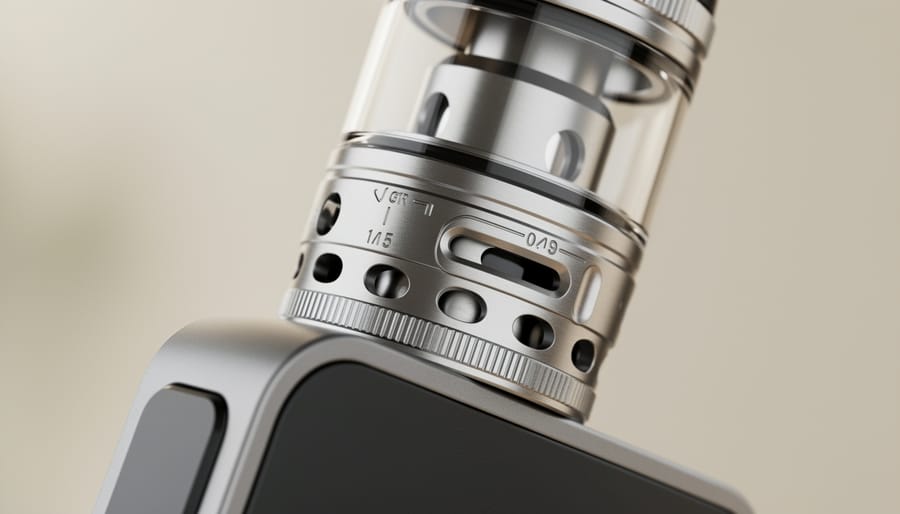
Airflow is the one setting you’ll touch every single session, so it deserves a spot on your shortlist. A tighter, restricted draw slows the air across the coil. That usually concentrates flavor and gives a cooler, denser hit, which mouth-to-lung vapers tend to prefer. An open draw lets more air through, producing a smoother, airier pull and bigger, cooler vapor that suits direct-to-lung styles.
Neither is “better.” It comes down to how you like to inhale and what you’re chasing: flavor punch or vapor volume.
When you try a new tank, don’t judge it on the first puff. Run through a quick test:
– Start with the airflow nearly closed, then open it a little at a time.
– Take a few draws at each setting with the same juice and wattage.
– Notice where flavor peaks and where the draw feels comfortable rather than choking or loose.
– Check whether the vapor turns warm or harsh at the fully open end.
The sweet spot often sits between the extremes, and it can shift with your coil build and liquid. Small changes make a real difference, so treat tuning as a hands-on process rather than a one-time setup.
What airflow setting do you land on most often? Share your favorite in the comments so other vapers can try it.
6. Leak-Resistant Builds: Deck Design and Fill Systems
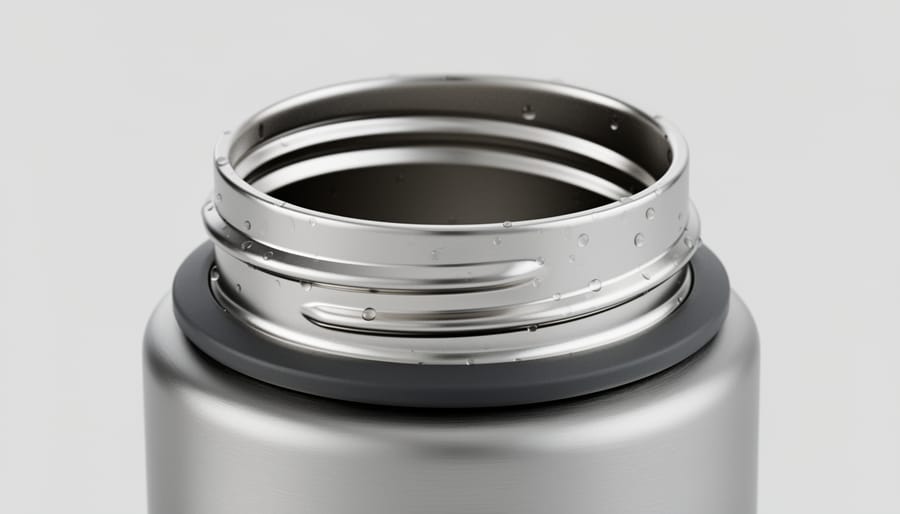
Nobody enjoys juice on their fingers, and a leaky tank is usually fixable once you know where the mess comes from. Leak-resistant RTAs tend to share a few design traits, and they’re worth looking for.
A deeper juice well gives excess e-liquid somewhere to go instead of flooding the deck. A secure top-fill mechanism, whether a sliding cap or a swivel top, keeps the tank sealed between refills. Quality O-rings matter just as much. Silicone seals that sit snug and stay supple keep the threads and airflow channels from weeping.
Most leaks trace back to three habits:
– Wicking: cotton that’s packed too tightly starves the coil, while loose cotton lets juice flood the deck.
– Airflow: wide-open slots on a thin juice can let liquid drip through the air path, so try tightening them up.
– Over-filling: pushing past the fill line forces juice into places it shouldn’t be.
A little routine care keeps things dry. Clean the tank and threads regularly, check O-rings for nicks or flattening, and replace them when they look worn. Screw everything together firmly, but don’t crank it. It’s also smart to let a fresh build soak for a minute before you take the first pull.
If your tank still leaks, tell us in the comments what you’ve tried. Your fix might save someone else a lot of paper towels.
7. Beginner-Friendly RTAs: Easy Decks and Clear Instructions
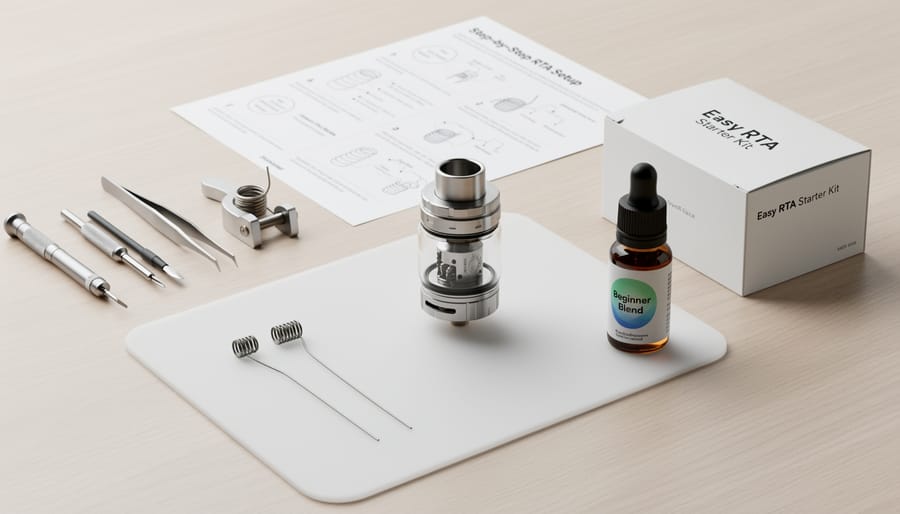
A beginner-friendly RTA keeps the first build simple. Look for a post-and-screw deck, since the clamps hold your wire steady without fiddly threading. A roomy build area helps too, because cramped decks make coil placement frustrating when you’re still learning. Included tools and prebuilt coils are a bonus, and clear written instructions from the maker can save you a lot of trial and error.
A few practical first-build tips:
– Start with a basic single coil in a common wire type, and keep your wicking loose rather than packed tight.
– Trim your leads short and flush against the deck so nothing touches the cap.
– Dry-fire briefly to check for hot spots, then wick, prime, and let it soak before your first puff.
Before you pick up the wire, learn basic Ohm’s law and battery safety. Knowing how coil resistance affects current helps you stay inside your battery’s limits, so check your mod’s specifications and the manufacturer’s guidance every time.
Plenty of vapers who enjoy tinkering with builds also like exploring wellness-focused products. If that’s you, you might read about Vena CBD or learn how CBD isolate differs from other forms. You can also see what the research says about CBD and arthritis and CBD and REM sleep.
Quick Comparison: How the 7 RTA Styles Stack Up
Here’s how the seven RTA styles compare at a glance. These ratings are general and qualitative, based on how each design typically behaves, so individual tanks will vary.
| RTA Style | Flavor | Cloud Production | Build Difficulty | Leak Risk | Best-Fit User |
|—|—|—|—|—|—|
| Single-Coil Flavor | High | Moderate | Low to moderate | Low to moderate | New builders, flavor chasers |
| Dual-Coil | Good | High | Moderate to high | Moderate | Cloud fans with some experience |
| Squonk-Compatible | Good | Moderate to high | Moderate | Moderate (higher if mismatched) | Squonk mod owners |
| Mesh-Coil | High | Moderate to high | Moderate to high | Moderate | Fans of even, consistent flavor |
| Adjustable-Airflow | Varies with settings | Varies with settings | Low to moderate | Low to moderate | Tinkerers who like to tune their draw |
| Leak-Resistant Builds | Good | Moderate | Low to moderate | Low | Anyone tired of messy tanks |
| Beginner-Friendly | Good | Moderate | Low | Low to moderate | First-time builders |
A few quick notes. Leak risk depends as much on wicking and fill habits as on tank design, so a careful build can beat a “leak-proof” label. Flavor and cloud ratings also shift with your coil type, wattage, and e-liquid.
Specific models and costs change often, so check current listings and compatibility at purchase time. Which style are you leaning toward? Tell us in the comments.
Common Questions About RTAs and FDA Rules
Here are quick answers to the questions vapers ask most about RTAs and the rules around them.
Are RTAs FDA approved?
The FDA doesn’t “approve” RTAs as a product category the way it approves medicines. RTAs are generally treated as components of e-cigarette systems under tobacco regulations, and the rules change, so check and your local laws for current requirements.
What’s the difference between an RTA, an RBA, and an RDA?
An RTA has a built-in tank that holds your e-liquid. An RDA has no tank, so you drip juice straight onto the coils, while an RBA is a broader term for any rebuildable atomizer, and an RTA is one type of it.
Are RTAs good for beginners?
They can be, especially a beginner-friendly design with a roomy, simple deck. Expect a learning curve with building and wicking, and learn basic battery safety before your first build.
How often should I rebuild my coils?
There’s no fixed schedule. Replace a coil when flavor turns dull or burnt, or when buildup stops a good cleaning from helping. Your e-liquid and how often you vape both play a part.
A couple of other things come up often. Most RTAs use standard 510 threading, so they fit a wide range of mods, but the tank’s diameter and its connection to the mod still need to match. Bottom-feed designs add a further requirement, since they need a compatible squonk mod, as covered earlier in the list.
On the regulatory side, treat any answer here as a starting point rather than legal advice. Confirm current rules with official sources before you buy, and if you’ve got your own tank questions or hard-won tips, drop them in the comments so other readers can benefit.
Final Takeaway: Pick the Style That Fits How You Vape
The right RTA is the one that matches how you actually vape and how comfortable you are with building. A flavor chaser and a cloud chaser will land on different decks, and that’s fine. Before you buy, check current federal and local rules and confirm that what you want is actually in stock, since details like that change faster than any article can keep up.
Safety is the one thing worth never skipping. Learn the basics of Ohm’s law, respect your battery’s limits, and follow the manufacturer’s guidance on every build. Then tell us what’s working for you. Which style has earned a permanent spot in your rotation, and what would you tell a first-time builder? Share your favorite builds and tank experiences in the comments, because your lessons help the whole community vape smarter.