

When you search for “normal CBD size,” you’re likely looking for one of two things: the standard diameter of your common bile duct (the medical CBD) or sizing information for cannabidiol products. Let’s clear up the confusion right away.
The common bile duct, a crucial component of your digestive system that carries bile from your liver and gallbladder to your small intestine, has a normal diameter of approximately 6mm in healthy adults. Medical imaging studies using ultrasound consistently place the upper limit of normal at 6mm, though some sources extend this to 8mm. This measurement matters because an enlarged bile duct can signal blockages, gallstones, or other health issues that require medical attention.
If you landed here expecting information about cannabidiol vaping products, cartridge sizes, or dosing guidelines, you’re in the right place for that conversation too. The CBD vaping community uses “size” to refer to several different specifications: cartridge capacity (typically 0.5ml to 1ml), oil concentration strength, and dosing amounts. These are entirely separate from the medical measurements we’re discussing here.
Understanding which CBD you’re researching is the first step. For those concerned about bile duct health, the 6mm benchmark provides a clear reference point for interpreting ultrasound results. For vapers and cannabidiol users, product sizing involves different considerations altogether, from hardware compatibility to personal dosing preferences. This guide addresses the medical side first, giving you the verified measurements and context you need to understand what normal really means when it comes to your common bile duct.
What Is the Common Bile Duct (CBD)?
Function and Location
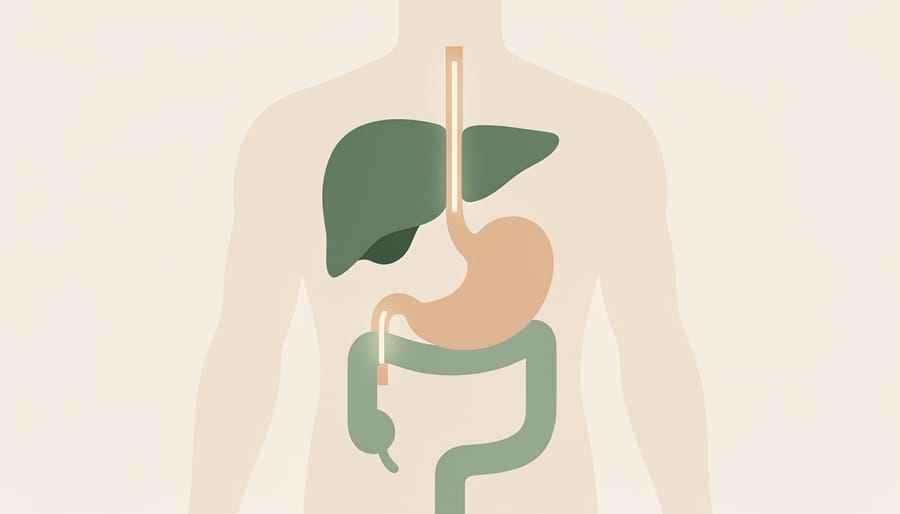
The common bile duct sits in your upper abdomen, running from just below your liver down to the duodenum (the first part of your small intestine). It’s formed where two smaller ducts merge: one carrying bile from your liver and another draining your gallbladder. Think of it as a crucial pipeline in your digestive plumbing.
This duct’s job is straightforward but vital. It transports bile, a digestive fluid your liver produces, into your intestine when you eat. Bile breaks down fats from food, making them easier to absorb. Your gallbladder stores concentrated bile between meals, then releases it through this common pathway when needed.
The duct itself is a narrow tube, normally around 6mm in diameter in most adults. That’s roughly the width of a pencil. It travels behind your pancreas before joining with the pancreatic duct and emptying into your small intestine through a small opening called the ampulla of Vater. When this duct works properly, you don’t think about it. When it becomes blocked or enlarged beyond normal size, however, it can signal digestive problems that need medical attention.
Why Size Matters
Physicians measure common bile duct diameter because changes in size serve as a diagnostic indicator for biliary system health. An enlarged CBD often signals obstruction, which can result from gallstones, tumors, inflammation, or strictures blocking bile flow. When bile cannot pass freely to the intestine, it backs up, causing the duct to dilate beyond the normal 6mm threshold.
Early detection of CBD dilation through ultrasound measurement allows doctors to identify potentially serious conditions before complications develop. An abnormally wide duct may indicate acute or chronic pancreatitis, cholangitis, or malignancies affecting the bile pathway. Conversely, measuring CBD size helps rule out obstruction when patients present with jaundice, abdominal pain, or abnormal liver function tests, guiding physicians toward appropriate treatment rather than unnecessary interventions.
Normal Common Bile Duct Diameter: The Standard Measurements
The 6mm Standard
The upper limit of 6 mm for common bile duct diameter stems from extensive ultrasonography research conducted across diverse adult populations. Multiple clinical studies consistently found that in healthy adults without gallbladder disease or obstruction, the CBD rarely exceeds this measurement. This threshold became the diagnostic standard because it effectively separates normal anatomy from potentially concerning dilation in the vast majority of cases.
Radiologists and gastroenterologists rely on this 6 mm benchmark when interpreting abdominal ultrasounds because it offers a clear, reproducible reference point. The measurement represents the internal diameter of the duct at its widest point, typically near where it joins with the pancreatic duct. When measured properly using standard ultrasound techniques, a CBD diameter of 6 mm or less generally indicates normal bile flow without obstruction, stone blockage, or other pathology affecting the biliary system. This consistency across studies makes it the most widely cited and clinically useful standard for routine medical assessment.
Measurement Variations and Why They Exist
The variation between 6mm and 8mm upper limits stems from differences in research methodologies and patient populations studied. Early ultrasound studies established 6mm as the standard threshold, using consistent measurement protocols on healthy adult populations. However, subsequent research incorporating larger sample sizes and diverse patient demographics found that some individuals without any pathology naturally measured slightly above 6mm, leading certain medical sources to adopt 8mm as an acceptable upper boundary.
Measurement technique plays a significant role in these differences. The exact point along the duct where diameter is measured, the patient’s position during ultrasound, breathing phase during image capture, and the ultrasound operator’s experience can all introduce minor variations. Some facilities measure at the widest visible portion, while others use a standardized anatomical landmark, creating inconsistency across studies.
Patient characteristics also influence what’s considered normal. Age is a documented factor, older adults tend to have slightly wider bile ducts than younger patients. Body habitus, previous gallbladder surgery, and individual anatomical variation all contribute to the range. This explains why medical professionals don’t rely solely on a single number but interpret measurements within clinical context, considering the patient’s history and symptoms alongside the imaging findings.
How Ultrasound Measures CBD Size
Ultrasound imaging uses high-frequency sound waves to create real-time pictures of the bile ducts without radiation exposure. During the procedure, a technician applies gel to the abdomen and moves a transducer over the upper right quadrant, where the liver and bile ducts are located. The sound waves bounce off internal structures, and the returning echoes form an image on a monitor. The common bile duct appears as a tubular structure, and the technician measures its widest point perpendicular to its length. This measurement is typically taken at the porta hepatis, where the duct is most visible. Ultrasound remains the first-line imaging tool for CBD assessment because it’s non-invasive, widely available, costs less than CT or MRI, and provides accurate measurements in most patients. The radiologist or sonographer captures images from multiple angles to ensure accurate diameter measurement, accounting for the duct’s natural course through the abdomen.

Factors That Affect Common Bile Duct Size
Common bile duct measurements aren’t one-size-fits-all. Several factors can shift what counts as normal for an individual, which is why radiologists and physicians interpret ultrasound results in context rather than relying on a single number.
Age stands out as a significant variable. Older adults typically show slightly wider bile ducts than younger people. Some research suggests the duct diameter increases by roughly 1mm per decade after age 60, meaning a 75-year-old might naturally measure 7mm without any underlying pathology. This gradual widening occurs as the duct walls lose elasticity over time.
Cholecystectomy, the surgical removal of the gallbladder, creates another common scenario. After this procedure, the common bile duct often compensates by dilating slightly to accommodate bile storage functions the gallbladder previously handled. Post-cholecystectomy patients can measure up to 10mm and still fall within expected ranges, particularly in the years following surgery. This physiological adaptation explains why physicians ask about surgical history before interpreting CBD measurements.
Body size and build matter too. Taller individuals with larger frames tend to have proportionally wider bile ducts compared to smaller-statured people. This anatomical scaling is similar to how other organ dimensions correlate with overall body size.
Individual variation also plays a role that’s harder to quantify. Some people simply have naturally wider or narrower ducts as part of their baseline anatomy, much like heart size or kidney dimensions vary among healthy individuals. Measurement technique introduces another layer of variability, ultrasound results depend on the specific imaging angle, equipment calibration, and technician experience.
This range of influencing factors is precisely why medical professionals evaluate CBD size alongside symptoms, medical history, and other diagnostic findings rather than flagging every measurement that exceeds 6mm. Context transforms a simple number into meaningful clinical information.
When Common Bile Duct Size Indicates a Problem
Signs of CBD Dilation
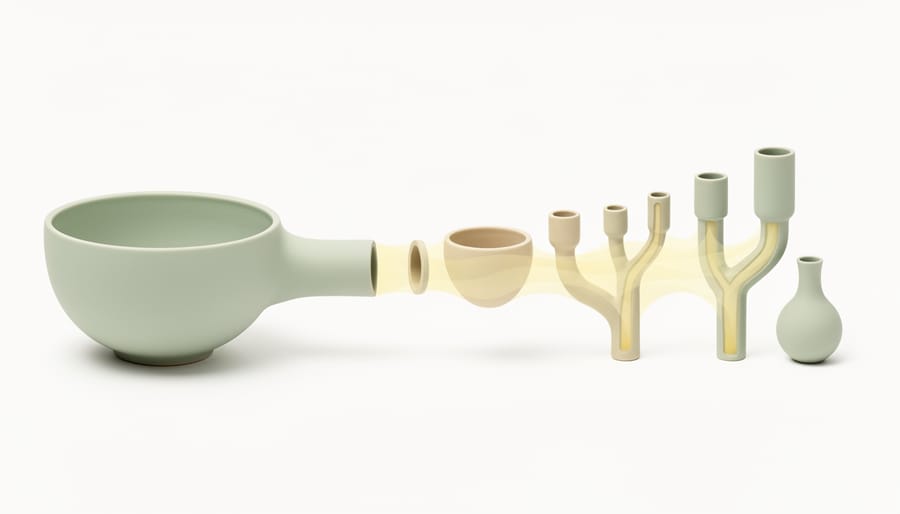
An enlarged common bile duct often produces no symptoms in its early stages, which is why it’s frequently discovered during routine ultrasound examinations. When symptoms do appear, they typically relate to the underlying cause of the dilation rather than the enlargement itself.
Jaundice is the most common visible sign, appearing as yellowing of the skin and whites of the eyes. This occurs when a dilated CBD indicates bile flow obstruction, causing bilirubin to accumulate in the bloodstream. Patients may also notice their urine becoming darker while stools turn pale or clay-colored.
Abdominal pain, particularly in the upper right quadrant, often accompanies CBD dilation. The discomfort may be persistent or come in waves, sometimes radiating to the right shoulder blade. Nausea and vomiting frequently occur alongside the pain, especially after eating fatty meals.
Fever and chills suggest infection, particularly if gallstones or other obstructions have caused bile to stagnate in the dilated duct. This combination of jaundice, fever, and right upper abdominal pain warrants immediate medical attention.
Some people experience itching across their body as bile salts accumulate under the skin. Unexplained weight loss or loss of appetite can signal serious underlying conditions that have caused the duct to enlarge beyond the normal 6mm diameter.
Next Steps After Abnormal Findings
When an ultrasound reveals a common bile duct diameter exceeding 6mm (or 8mm, depending on the reference standard used), your physician will typically order additional diagnostic tests to identify the cause. This may include blood work to check liver enzymes and bilirubin levels, which can indicate obstruction or liver dysfunction. Many patients undergo a magnetic resonance cholangiopancreatography (MRCP) or endoscopic retrograde cholangiopancreatography (ERCP) for detailed visualization of the bile ducts and potential blockages. Your doctor will also review your symptoms, such as jaundice, abdominal pain, or unusual stool color, to determine urgency. Treatment depends entirely on the underlying cause, ranging from watchful monitoring for minor variations to surgical intervention for stones or strictures. Never attempt to self-diagnose based solely on imaging measurements; abnormal CBD size requires professional medical evaluation and context from your complete health picture.
CBD in Cannabis Context: Clearing Up the Confusion
If you landed here searching for cannabidiol bottle sizes or vape cartridge dimensions, you’re not alone. The acronym CBD creates genuine confusion: in medical circles, it stands for common bile duct, but in the wellness and vaping world, it refers to cannabidiol, the non-intoxicating compound derived from hemp. This article focuses exclusively on the medical measurement, the diameter of the duct that carries bile from your liver.
Cannabidiol products come in various formats, oils, tinctures, vape cartridges, and gummies, each with different concentration levels and serving sizes. Unlike the bile duct’s standardized 6mm measurement, CBD product “sizes” vary widely by manufacturer and product type. Bottle volumes typically range from 15ml to 60ml for tinctures, while vape cartridges usually hold between 0.5ml and 1ml of liquid. The concentration of cannabidiol itself, rather than container size, determines potency and effects.
Finding the right CBD dosage depends on individual factors like body weight, desired effects, and product concentration. Our site offers detailed breakdowns of different cannabidiol products, user experiences, and practical guidance for both newcomers and experienced vapers exploring hemp-derived options. The medical CBD measurement covered in this article won’t help you choose a vape cartridge, but understanding the terminology difference ensures you’re looking in the right place for the information you actually need.
Frequently Asked Questions
What is considered a normal CBD diameter?
The normal upper limit of the common bile duct diameter is typically 6 mm as measured by ultrasound, though some medical literature cites up to 8 mm as within normal range. Individual variation exists, and measurements should always be interpreted by a qualified healthcare professional in the context of your overall health picture.
Is a 7mm common bile duct considered enlarged?
A 7mm measurement falls in a gray area between the widely accepted 6mm standard and the 8mm upper limit some studies reference. Your doctor will consider additional factors like your age, whether you’ve had your gallbladder removed, symptoms, and other imaging findings to determine if this measurement warrants concern or further investigation.
Does common bile duct size change with age?
Yes, CBD diameter can increase slightly with age, which is one reason some medical sources accept measurements up to 8mm as normal in older adults. Post-cholecystectomy patients (those who’ve had their gallbladder removed) may also show slightly larger duct diameters without it indicating a problem.
What’s the difference between medical CBD and cannabis CBD?
Medical CBD refers to the common bile duct, a part of your digestive anatomy, while cannabis CBD stands for cannabidiol, a compound found in hemp and cannabis plants. If you landed here looking for information about cannabidiol product sizes or CBD for anxiety you’ll find comprehensive vaping product reviews elsewhere on this site rather than medical bile duct information.
These questions reflect the genuine confusion many people experience when searching for CBD size information. The medical term shares its acronym with one of the most popular wellness compounds of recent years, creating understandable mix-ups in search results. If your concern relates to digestive health and you’ve had imaging done, discuss your specific measurements with your healthcare provider rather than relying on general guidelines alone. Context matters enormously in medical interpretation, and what’s normal for one person might warrant investigation in another depending on symptoms, medical history, and the complete clinical picture.
Understanding normal common bile duct size comes down to one key measurement: 6mm in diameter is the widely accepted upper limit based on ultrasound imaging, though some medical literature extends this to 8mm depending on patient factors. These numbers aren’t arbitrary, they’re derived from extensive ultrasonography studies and represent the threshold between typical anatomy and potential concerns that warrant further investigation.
If you’ve had an ultrasound and received measurements related to your bile duct, professional interpretation is essential. Context matters, your age, surgical history, and individual anatomy all influence what’s considered normal for you. Don’t attempt to diagnose yourself based on a single measurement.
We recognize many readers arrived here searching for cannabidiol product information rather than bile duct anatomy. If you’re interested in cannabis-derived CBD for wellness purposes, our site offers detailed guidance. Check out our analysis on CBD and arthritis or explore the differences in our CBD vs hemp oil comparison to find vaping products suited to your needs.